
Rancho Santa Fe Covenant: Equestrian Trail Rules, Etiquette & Emergency Preparedness
Rancho Santa Fe Covenant
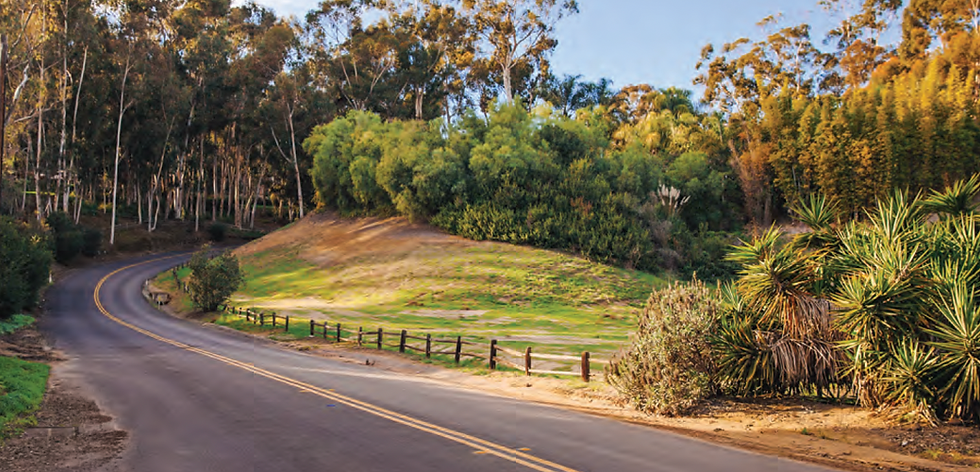
Rancho Santa Fe Covenant has one of the finest private riding and hiking trail systems in the country. This is one of the main reasons that our area is so special, in that it binds us together as a true community and does much to reinforce the rural character that we all cherish.
Rancho Santa Fe Association has approximately 50 miles of interconnecting scenic trails that meander throughout the Covenant. These trails are reserved for the private use of Association members and their accompanied guests and are designed to take advantage of the beauty of the Ranch as well as for ease of access for its residents. Horseback riders, walkers, joggers and walkers with dogs on leashes are welcome to use the trail system. Members are encouraged to pick up a trail map and a copy of the trail rules at the Association office.
“Meanwhile, may all your rides be safe, may your horses never stumble, your friends never grumble and your cinch never bust!”
— RANCHO SANTA FE TRAILS & RECREATION COMMITTEE
Trail Rules & Etiquette
1. THE RANCHO SANTA FE (RSF) ASSOCIATION MAINTAINS A PRIVATE TRAIL SYSTEM FOR USE BY RSF ASSOCIATION MEMBERS ONLY.
2. TYPES OF PERMITTED USE:
A. Horseback riding
B. Pedestrians:
Walkers, joggers – permitted, no groups larger than four.
Pedestrians with pets on leash only – permitted.
Pedestrians with baby joggers and wagons – permitted.
Pedestrians with other non-motorized wheeled devices such as scooters, bicycles of any kind, etc. – not permitted.
C. Motorized vehicles – generally not permitted:
Golf carts – permitted only to travel between home and golf course only.
General exception – Authorized fire, emergency, safety, security, maintenance and trail construction vehicles.
Motorcycles, mini bikes, dirt bikes and motorized scooters – not permitted.
3. AREAS TO BE USED AND UNUSED:
A. Trails:
Stay on trails at all times.
Do not trespass on private property.
Respect adjacent private property owners’ rights. Do not pick their fruit, flowers or damage their property in any way.
B. Designated Picnic Areas with Corrals: Do not turn horses loose in the corrals or leave them unattended.
C. Golf Course: The golf course is private property and it is not a part of the trails system. Stay off the golf course at all times.
4. SAFETY & ETIQUETTE (COURTESY)
A. These trails are on private and Association-owned property. Have respect and consideration for the rights and safety of others. Keep your voices low and be courteous to residents, trail users and golfers.
B. Horses have the right-of-way
When approaching from the front: Do not run toward a horse. Stop and step aside in clear view and allow the horse and rider to safely pass.
When approaching from behind: Do not run up behind a horse as you may startle it and get kicked. Speak to the rider(s) and let them know you are there so you may pass safely.
Horseback riders should always approach other riders and pedestrians at a walk.
Riders should maintain a safe distance when passing other horses.
C. Trail users should walk their horses around blind curves until the rider can safely see ahead.
D. Parents should explain theses rules to their children and guests.
E. Smoking and alcoholic beverages are not permitted on the trails.
F. Please do not litter on the trails. Throw away trash in designated receptacles or keep it with you.
5. DOGS
A. Dogs must be on a leash at all times. (San Diego Animal Control- Section 62.669)
B. Horseback riders with dogs, leashed or unleashed, are NOT permitted.
C. Clean up after your dog. Use plastic bags and place in the trash receptacles.
D. Stop and move your dog to the side of the trail in clear view to let horses pass.
E. General warning to all trail users – many homeowners have dogs which may come up to the fence or property line and bark as you pass. Be aware of this possibility as you use the trails.
6. GOLF COURSE
A. The trail around the golf course in on RSF Association property. Stay on the trail at all times. Golf course etiquette applies on this trail.
B. Be courteous and keep your voices low at all times.
C. Keep leashed dogs on the trail at all times. The Golf course in not a dog park.
7. REPORTING EMERGENCIES AND OTHER PROBLEMS
A. For safety reasons, it is highly advised that all trail users carry their cell phones at all times.
B. If you have a medical emergency, call 911. The call goes to the California Highway Patrol. State that you are in Rancho Santa Fe and it is an emergency. The call will be routed to the RSF Fire Department and the RSF Patrol. You can also call the RSF Patrol directly at 858-756-9966 or 858-756-1174.
C. If you see a hazard or other problems on the trail, please call the RSF Association at 858-756-1174.
8. LITTERING
A. No littering
B. Put trash in appropriate receptacles or take it with you.
C. Clean up after your dog. Use a plastic bag and place it in a trash receptacle.
9. PARKING
A. Do not park vehicles on the trail unless authorized by the RSF Association. A parked vehicle on the trail forces trail users into the street, which is very dangerous for them.
10. PROPERTY OWNER SAFETY ISSUES
A. Parties – parking for large parties should not obstruct trail use.
B. As a courtesy, homeowners should not allow their workers, employees, etc. to block or park on trails.
11. USE OF THE TRAILS IS AT YOUR OWN RISK
Emergency Preparedness
Emergencies and disasters can strike quickly and we can all better cope with crisis situations by preparing in advance. Advance planning will help protect you and your loved ones—including your pets and livestock. In an emergency, we all need to take responsibility for our pets—do not expect help from outside sources!
During the 2007 fire storm, many residents did not know what to do with their horses. Planning for evacuating a horse (or horses) during an emergency can be a lot easier if you have planned in advance. If you own a horse, you should also own (or have access to) a horse trailer. It is very important to get your horses accustomed to trailering—even in the dark. Not all emergencies happen during daylight hours! Practice loading and unloading your horse. If a horse is too frightened or too difficult to load, the animal may have to be left behind. If you don’t own a trailer, make arrangements in advance for you horse’s transportation with a friend, neighbor or professional hauler.
If you haven’t made arrangements to transport your horse to a safe boarding facility, know the closest evacuation center to your property. (During the Witch Creek Fire, a few of the local evacuation centers were the Del Mar Fairgrounds, the Polo Fields and Showpark.) Before the horse leaves your property, be sure your horse has some kind of identification other than its name on a halter. Writing your name and telephone number on the horse’s hip with a livestock crayon works well in case you may have to find your horse at a sheltering center. And once your horse arrives at its destination, unless you have made previous arrangements, it is YOUR responsibility to care for it!
When you plan, think about the needs of your family and your animals and focus on developing the resources necessary for an emergency and things that you and your pets will need for at least 72 hours. There are many resources available to help owners plan for evacuations during fire, flood and earthquake disasters including:
PLAN FOR YOUR ANIMALS BEFORE AN EMERGENCY!

Comments