
What Makes a Great Equestrian Barn? What to Look for When Buying a Horse Property
Roblee Valentine, Real Estate Broker Specializing in Equestrian Real Estate

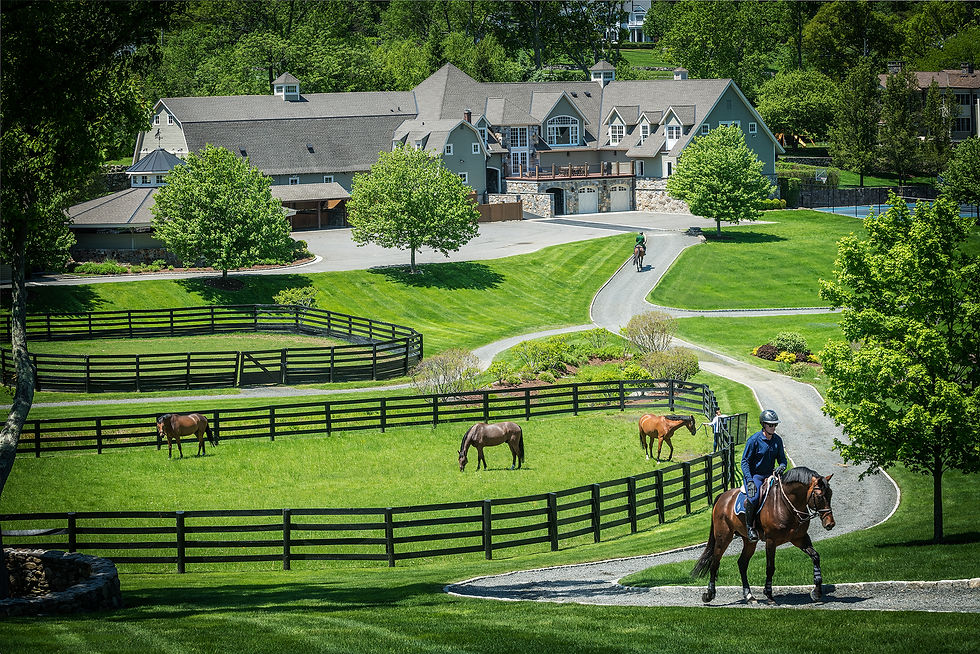
The number one sign a horse property could be right for you? The barn works just as beautifully as it looks.
When evaluating an equestrian property, look beyond its architectural style and landscaped grounds. A well-designed barn should support your horses’ comfort, make daily care practical, and fit the way you ride and manage your horses.
For buyers searching for an equestrian property in Southern California, understanding how a barn functions is an essential part of deciding whether a property fits their lives.
What Should You Look for in a Barn When Buying a Horse Property?
Start with the spaces your horses will use every day: their stalls, the pathways between facilities, and their turnout areas. Then consider how the property accommodates grooming, tacking up, riding, washing down, and professional care.
As a real estate broker specializing in equestrian real estate, I picture everyday life on each property I evaluate. Where will the horses spend their time? How will their owners move through the barn? Does the layout make the daily routine feel natural?
A beautiful barn becomes more meaningful when those details work together.
Horse Comfort: Ventilation, Natural Light, and Stall Size
When I walk into a barn, I first look at ventilation, natural light, and whether the stalls are appropriately sized for the horses that would live there.
These features deserve attention because they are part of the horses’ everyday environment. The right arrangement depends on the individual horses, their size, and how their care is managed.
During a property tour, consider:
How air moves through the barn.
How much natural light reaches the stalls.
Whether stall dimensions suit your horses.
How easily horses can move between stalls and other facilities.
The goal is to understand the barn from your horses’ perspective as well as your own.
Barn Layout: Does It Make Daily Horse Care Easy?
A barn’s layout shapes the rhythm of life on an equestrian property.
Think through a typical day: bringing horses in, grooming, retrieving tack, heading to the arena, washing down, and returning horses to their stalls or turnout.
Are the spaces arranged in a practical order? Are supplies accessible where you need them? Does moving between the barn and riding areas feel straightforward?
A private owner caring for two horses may want a compact, convenient layout. A busy training operation may need space for several horses, riders, and professionals to work at the same time.
The question is whether the barn supports your routine.
Equisizers and Exercise Areas: Consider Placement and Seasonal Use
If a property has an equisizer or horse exerciser, its location deserves a closer look.
Is it conveniently positioned near the barn? What does the route between the two look like? How would moving horses in and out fit into daily care?
It is also helpful to consider seasonal use. If you want a covered exercise area for rainy winter months, investigate whether an existing cover meets your needs or whether adding one would be feasible. Treat potential improvements as questions to evaluate before purchasing.
Turnout, Drainage, and Trailer Access
The functionality of a horse property extends beyond the barn doors.
I also look at turnout areas, drainage, and trailer access. These features help reveal how the property might work through different seasons and daily routines.
Where will your horses spend time outside their stalls? How does water move through the property? Can your trailer reach the areas you need to access, with practical room to maneuver?
A property tour should include these working spaces alongside the residence, barn, and arena.
Space for Your Veterinarian and Farrier
Another useful question is where your veterinarian and farrier would work.
Picture a routine appointment. Where would the horse stand? Where would the professional park and place equipment? Could care take place without disrupting the rest of the barn?
A clearly considered working area is part of evaluating whether the property can accommodate your horses’ ongoing needs.
Does the Property Fit Your Horses and Riding Discipline?
There is no single perfect barn for every buyer.
A hunter/jumper rider, dressage rider, western rider, or owner keeping retired horses may prioritize different facilities. Your horses’ individual needs, your riding goals, and your approach to care should guide the search.
Before touring equestrian properties, identify what you need now and what you may need later. Consider horse numbers, turnout preferences, exercise routines, storage, and whether the property is intended for private use or a training operation.
The right fit comes from matching the facilities to the life you plan to build there.
Finding an Equestrian Property in Southern California With Roblee Valentine
The perfect barn brings together thoughtful design, everyday practicality, and beauty. You are choosing where your horses will live and how you will live with them.
I’m Roblee Valentine, a real estate broker specializing in equestrian real estate. When helping buyers evaluate Southern California horse properties, I look at how the barn, riding facilities, and overall layout align with their horses and daily lives.
Looking for an equestrian property that fits you and your horses? Contact Roblee Valentine at EQ International Real Estate to schedule an appointment and discuss your search.

Comments